
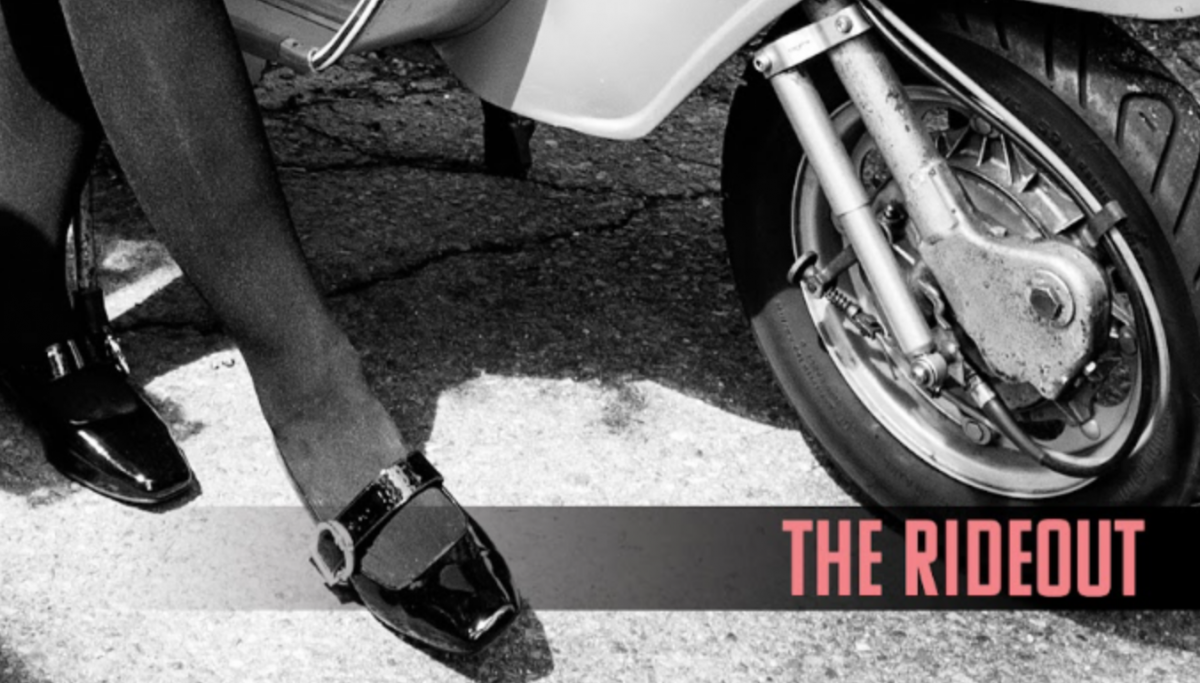
Boston-based mod-pop trio The Chelsea Curve return with The Rideout, an album that feels propelled by constant motion and tightly controlled energy. From the outset, the record leans into a sense of forward momentum, with sharp instrumentation and a rhythmic pulse that rarely lets up. While rooted firmly in the band’s established mod-pop identity, there’s a noticeable expansion in sonic ambition, with more layered arrangements and a stronger emphasis on emotional contrast. The result is a project that feels both cohesive and varied, moving fluidly between punchy immediacy and more reflective passages.
Early tracks like Ride and Kindawanna set the tone effectively, establishing the album’s energetic foundation. Ride unfolds with a steady build, gradually stacking musical elements to create a satisfying sense of lift, while Kindawanna pushes forward with a more urgent, groove-led drive. Though they share a similar sonic palette, the distinction in pacing helps showcase the band’s ability to shape momentum in different ways without breaking the album’s flow.
As the record progresses, I Can’t Help It introduces a noticeable emotional shift. Despite its uptempo backing, the track leans into vulnerability, with vocal delivery that feels intimate and exposed. This contrast between lyrical openness and energetic instrumentation adds depth to the album’s emotional range. Real Life takes a different approach, channeling its emotional weight through grit and intensity, with harder-edged vocals and more forceful instrumentation that heighten its impact.
Across The Rideout, The Chelsea Curve manage to maintain a strong sense of cohesion even as they explore different moods and textures. The balance between high-energy mod-pop cuts and more emotionally grounded tracks never feels disjointed, largely due to consistent melodic sensibilities and tightly executed performances. The album ultimately delivers a well-paced listening experience that feels both intentional and dynamic, reinforcing the band’s identity while allowing space for growth.